Jewelry for Every Occasion
Jewelry has always been about more than just decoration. A piece can change the whole mood of an outfit, signal the kind of setting you're stepping into, and say something about you before you even speak.
The trick is reading the room—or, in this case, knowing the occasion—before you open your jewelry box. Getting this right consistently is simpler than it sounds.
Keeping It Light for Casual Days
For laid-back situations like brunch with friends, a shopping trip, or a relaxed weekend out, understated pieces are often the best choice. Delicate studs, a simple chain necklace, or a single slim bracelet add a touch of personality without competing with your outfit. These pieces complement a casual look naturally—jeans and a T-shirt, a flowy sundress, or a knit sweater—without making it feel like you tried too hard. The goal is a polished appearance that feels effortless.
Office Jewelry: Professional Without Being Boring
In a work environment, jewelry should add to your presence, not pull attention away from what you're saying. Classic pearl earrings, a sleek watch, or a minimalist bracelet can communicate attention to detail without becoming a distraction. Avoid anything noisy—bangles that clink with every movement or oversized pieces that may draw unnecessary attention. A good rule of thumb is to stick to one or two refined pieces that suggest professionalism and confidence.
Formal Events: This Is Your Moment
When the occasion calls for an evening gown or a tailored suit, bold jewelry can elevate the overall look. Chandelier earrings, a statement ring, or a layered necklace can create a striking appearance. The key is balance: if you're wearing a dramatic necklace, choose simpler earrings. If the earrings are the focal point, keep the necklace minimal. Pick one statement piece and let it lead—everything else should provide support.
Layering Without the Clutter
Layering is one of the most effective ways to add dimension to any look, but it requires a bit of structure. For necklaces, mixing lengths creates a cascading effect that feels intentional. Try a choker with a medium-length pendant and a longer chain. When it comes to bracelets, balancing slim and bold styles can create a more harmonious appearance. Stacking several chunky pieces at once may feel heavy, while combining a cuff, a chain bracelet, and a slim bangle can create depth without overwhelming the look. Coordinating metals when possible can also help achieve a more cohesive style.
Match Your Neckline, Not Just Your Outfit
The neckline you're wearing is one of the most useful guides when selecting a necklace. A V-neck pairs naturally with a pendant that mirrors the same downward shape. An off-shoulder top or dress often works well with a choker or short statement piece that draws attention to the collarbone. A high neckline may look best without a necklace, allowing bold earrings or an interesting bracelet to become the focal point instead. Taking a moment to consider this detail can make a noticeable difference to the finished look.
The Metal-to-Color Connection
Gold jewelry often complements warm-toned outfits, including shades of red, orange, brown, and other earthy colors. Silver and white-toned metals are commonly paired with cooler hues such as blue, gray, and green. Rose gold can work well with both warm and cool color palettes. While these are styling guidelines rather than strict rules, matching metal tones to the overall color temperature of an outfit can help create a more coordinated appearance.
Jewelry works best when it feels like a natural extension of what you're wearing rather than an afterthought. By considering the occasion, maintaining balance, and choosing pieces that complement both your outfit and personal style, you can create a polished look for nearly any setting. Thoughtful jewelry choices often have the greatest impact when they enhance confidence and reflect individuality with subtle elegance.
-
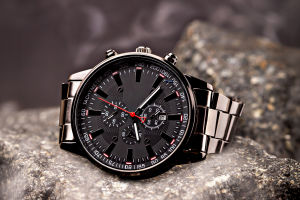 Watch Care EssentialsSimple maintenance habits and practical care tips to keep your watch accurate, clean, and performing at its best for years.
 -
 Choosing Sunglasses WiselyA practical guide to selecting sunglasses that complement your face shape, skin tone, and everyday lifestyle.
 -
 Acetate vs Metal FramesCompare comfort, durability, fit, and style to choose the right frame material.
Copyright © zogu 2021 - 2025. All Right Reserved.