Maximize Fuel Efficiency
Every drop of fuel counts—not just for your wallet, but also for the environment. Small adjustments behind the wheel can have a surprisingly big impact on fuel efficiency.
Beyond vehicle maintenance, the way you drive plays a crucial role in how much gas you burn.
By adopting smarter habits, you can reduce consumption, save money, and contribute to cleaner air. Here are five practical driving behaviors that could lower your fuel bill by up to 15% each month.
Smooth Acceleration and Braking
Aggressive driving is one of the fastest ways to waste fuel.
Accelerate Gradually
Instead of flooring the accelerator at a green light, increase speed steadily. Smooth acceleration reduces engine strain and improves fuel efficiency by allowing the engine to operate closer to its optimal RPM range.
Anticipate Stops
By looking ahead and easing off the accelerator before braking, you minimize sudden stops. This not only saves fuel but also reduces wear on brakes and tires, extending their lifespan.
Use Engine Braking When Possible
On gentle declines, let the car slow naturally rather than riding the brakes. This approach saves fuel and prevents unnecessary brake heat buildup.
Maintain Steady Speeds
Frequent speed changes increase fuel consumption and stress the engine.
Use Cruise Control on Highways
Maintaining a consistent speed with cruise control prevents constant acceleration and deceleration, which can save up to 7% of fuel on long drives.
Avoid Stop-and-Go Traffic When Possible
Plan trips during off-peak hours. Fewer starts and stops mean the engine runs more efficiently.
Follow Optimal Speed Limits
Driving at moderate highway speeds (usually 50–65 mph / 80–105 km/h) keeps fuel consumption low. Higher speeds increase wind resistance and reduce miles per gallon.
Reduce Idle Time
Many drivers underestimate the fuel wasted while idling.
Turn Off the Engine at Long Stops
If you're waiting more than a minute, switch off the engine. Modern engines consume less fuel restarting than idling for extended periods.
Avoid Warming Up for Too Long
A few seconds of warm-up is enough for most modern vehicles. Excessive idling while parked consumes fuel without benefit.
Minimize Unnecessary Idling During Pickups
Waiting for passengers or deliveries? Plan to reduce stationary engine time by pulling into a shaded area or safe spot and turning the engine off.
Plan Routes and Reduce Extra Weight
Efficient navigation and lighter vehicles directly improve fuel economy.
Combine Errands
Instead of multiple short trips, plan one route to accomplish multiple tasks. Engines are most efficient once fully warmed up, so combining errands saves both fuel and time.
Avoid Heavy Cargo
Remove unnecessary items from the trunk or roof racks. Extra weight and increased wind resistance can reduce fuel efficiency by several percentage points.
Use GNSS or Traffic Apps
Real-time navigation avoids traffic jams and road closures, minimizing idle time and detours. A smooth route translates to lower fuel consumption.
Regular Maintenance
A well-maintained vehicle consumes less fuel.
Check Tire Pressure
Underinflated tires increase rolling resistance. Keeping them at the recommended PSI improves fuel economy and ensures safer handling.
Change Air Filters
A clean air filter allows the engine to breathe efficiently. Dirty filters reduce performance and fuel efficiency.
Use Recommended Engine Oil
Correct viscosity reduces engine friction, improving efficiency. High-quality oils can slightly boost MPG and protect engine components.
Reflections on Smart Fuel Habits
Driving smarter isn't just about saving money—it's about making your daily routines more efficient and sustainable. By accelerating gently, maintaining steady speeds, reducing idle time, planning routes, and keeping your car in top shape, you maximize every drop of fuel.
Imagine the cumulative effect: not only are you spending less at the pump, but you're also reducing your carbon footprint and extending the life of your vehicle. These small, conscious choices transform everyday driving into a mindful, cost-effective, and eco-friendly habit.
-
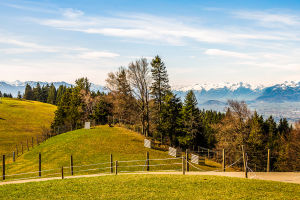 Lakeside Bregenz, ElevatedLake views, mountaintop panoramas, open‑air opera, and smart museums—build a smooth Bregenz itinerary with hours, seasons, and links.
 -
 6 Snack: Healthy Choices!Ready for snacks that fuel your day? Try these smart picks! Which will be your new fave?
 -
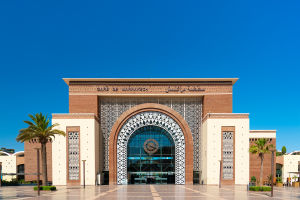 Marrakesh, Unfiltered MagicPrebooked entry, insider tips, and budget-friendly paths frame a vibrant Marrakesh itinerary with colorful scenes and calm breaks.
Copyright © zogu 2021 - 2025. All Right Reserved.